
The terms host and emcee (MC) are often used interchangeably, yet they refer to distinct roles in the events industry. The main difference between the two is that a host welcomes your guests, while an MC orchestrates and drives the flow of your event. That is why clarity on where these roles diverge ensures your function runs smoothly.
What is an Event Host?
A host serves as the welcoming face and primary communicator for your event. Unlike an MC, their focus is on guest engagement and hospitality, ensuring every attendee connects personally with the function’s overarching theme. To facilitate conversation and create rapport, an event host must possess strong communication skills and social fluency.
The specific responsibilities of an event host generally include:
- Managing the overall vibe: Acting as a gracious and welcoming presence throughout the evening.
- Welcoming guests: Greeting attendees upon arrival or delivering a formal opening address.
- Representing the brand: Acting as the official ambassador for the company or organisation.
- Facilitating connections: Ensuring guests feel comfortable and encouraging networking among tables.
- Providing basic information: Directing foot traffic or making simple, scripted announcements.
What is an Emcee?
An emcee sets the tone for the event’s spoken programme. They introduce segments, deliver agreed transitions between items and keep the audience informed of what is happening next.
Their primary objective is to drive the agenda, which includes introducing acts with appropriate hype and following the agreed timing and communicating any organiser-approved programme changes. This capability is what makes an MC ideal for formal occasions, award shows, and conference functions where structure and pacing are critical.
An MC draws on skills such as quick adaptability, sharp humour, and the ability to read and respond to the audience to support a smooth spoken programme.
The role of an emcee is active and hands-on:
- Programme Preparation: Working from the latest run-of-show to prepare agreed spoken introductions, cues and handovers for each segment.
- Tone Setter: Creating an electric, fun, or formal atmosphere from the very first sentence.
- Timeline Support: Following the agreed schedule and checking any timing adjustments with the organiser before announcing them.
- Audience Engagement: Entertaining guests with quick wit and interaction to keep engagement levels high.
- Issue Communication: Delivering agreed holding lines or updates while the organiser or technical team resolves delays or faults.
Emcee vs Host: Which One Should You Choose?
Now that we have clarified the difference, selecting the right professional must align with your desired function outcomes.
Choose a Host If…
Opt for a dedicated host for simpler or formal functions where hospitality is the priority. You can consider these scenarios when a host is the most suitable choice:
- Your gathering is a single-focus occasion, such as a gala dinner or a networking night.
- You need a dedicated welcome and guest-facing host while another identified team member runs the main programme.
- The agenda is flexible, and you require minimal active coordination or improvisation to move between segments.
Choose an Emcee If…
An emcee is better suited for complex itineraries for conferences or dinner situations requiring high energy. When exploring corporate event ideas, you should choose an emcee when your function meets the following criteria:
- The itinerary features multiple segments like speeches, awards, games, and performances.
- You are briefing an annual dinner emcee to guide introductions, games and awards across a scheduled programme.
- The main objective of your event is to entertain guests, make them laugh, and give them a fantastic time.
- You are running a virtual or hybrid event where spoken hosting is separate from the technical production team managing cameras, streaming and platform controls.
Planning a conference with panel discussions? See the conference emcee vs panel moderator guide for the different responsibilities to brief.
If you are also deciding who plans suppliers and the wider event, compare an emcee vs event planner before agreeing the brief.
The Best of Both Worlds: The Emcee & Host Advantage
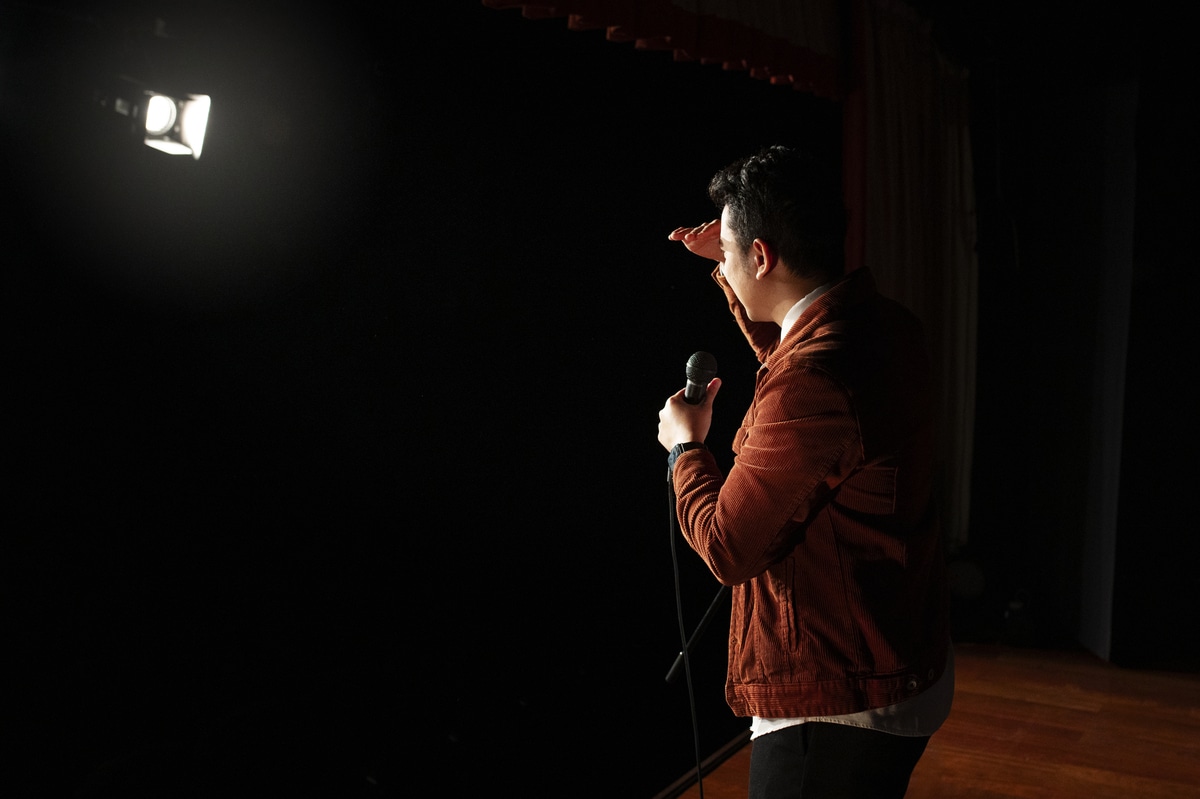
While the roles of a host and an MC have differences, the most effective professionals blend the best traits of both. A top-tier emcee must possess the sincerity of a host and the dynamic stage presence of a master emcee for conference functions. These abilities help create a welcoming programme and allow the host to check and respond to audience needs as the event unfolds.
Before reviewing different Singapore emcee rates, remember to confirm James’s spoken hosting role, agreed programme handovers and each supplier’s responsibilities before requesting a quotation.
Secure your expert event host in Singapore for an unparalleled function today!